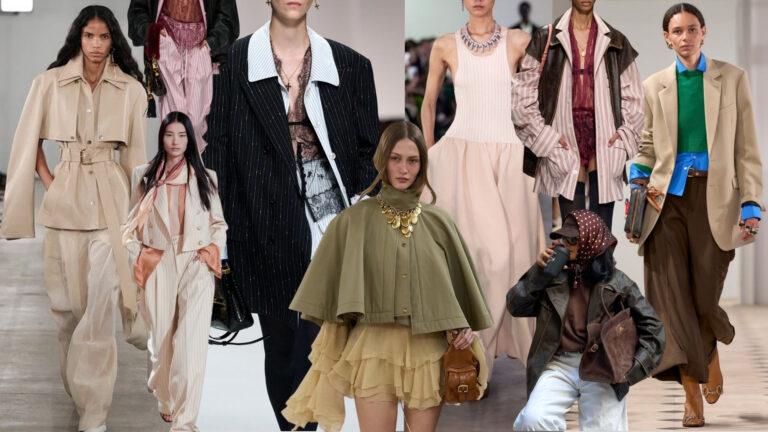
“Couture vs. Streetwear: A Comparative Study of Two Contrasting Fashion Worlds”
Couture vs. Streetwear: A Comparative Study of Two Contrasting Fashion Worlds Fashion is a dynamic tapestry of creativity, culture, and commerce. Among its many facets, couture and streetwea.
Couture Vs Streetwear A Comparative Study Of Two Contrasting Fashion Worlds
Updated: April 17, 2026
Couture vs. Streetwear: A Comparative Study of Two Contrasting Fashion Worlds
Fashion is a dynamic tapestry of creativity, culture, and commerce. Among its many facets, couture and streetwear stand out as two of the most intriguing and contrasting domains. While couture epitomizes luxury, exclusivity, and artisanal craftsmanship, streetwear embodies urban culture, accessibility, and ever-evolving style. This blog post delves into the distinctive features of these two fashion worlds, exploring their origins, influences, and how they continue to shape and be shaped by modern culture.
Origins and Evolution
The origins of couture and streetwear are as diverse as the styles themselves. Couture, derived from the French term “haute couture,” translates to “high sewing” or “high dressmaking.” It emerged in the mid-19th century when designers like Charles Frederick Worth began creating custom, made-to-order pieces for the elite. Couture is synonymous with exquisite fabrics, intricate designs, and meticulous handcrafting, often requiring hundreds of hours of labor. Its clientele typically includes royalty, celebrities, and the ultra-wealthy. Couture fashion shows are exclusive events, showcasing a limited number of pieces, each a work of art.
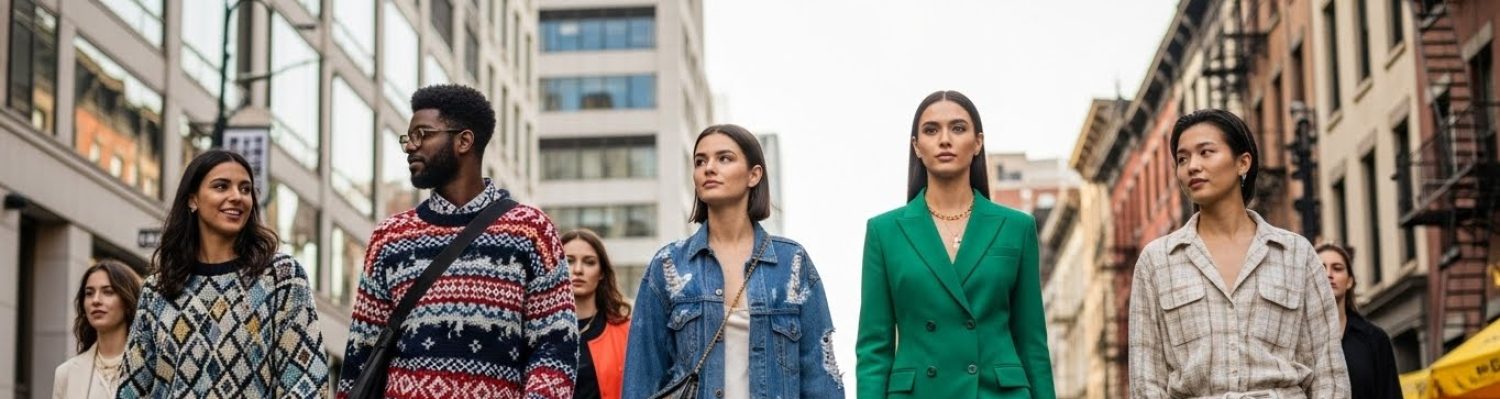
In stark contrast, streetwear has roots in the vibrant street cultures of the late 20th century, particularly in urban centers like New York City and Los Angeles. Influenced by music genres such as hip-hop, punk, and skate culture, streetwear emerged as a form of self-expression and rebellion against traditional fashion norms. Brands like Stüssy and Supreme pioneered the movement, offering casual, comfortable attire that resonated with the youth. Streetwear is characterized by its accessibility, often featuring bold graphics, oversized fits, and an emphasis on branding and collaboration.
Craftsmanship and Production
Couture’s hallmark is its unparalleled craftsmanship. Each piece is a testament to the designer’s artistry and the skill of the atelier’s seamstresses. Fabrics are sourced from the finest mills, and embellishments like embroidery and beadwork are often done by hand. The creation of a couture garment involves multiple fittings and adjustments to ensure a perfect fit for the client. The result is a unique article of clothing that reflects both the designer’s vision and the client’s personality.
Streetwear, while not devoid of craftsmanship, prioritizes function and comfort. Production methods can vary widely, from mass-produced items to limited edition drops that create a sense of urgency and exclusivity. Streetwear brands often collaborate with artists, musicians, and even high-end designers to produce unique collections. The focus is on creativity and cultural commentary, using clothing as a canvas to reflect societal issues and personal identity.
Influence and Cultural Impact
The influence of couture on fashion is undeniable. It sets the direction for luxury fashion houses and frequently inspires ready-to-wear collections. Couture designs often push the boundaries of creativity and are seen as the pinnacle of fashion artistry. These creations are not just garments but symbols of status and sophistication, often featured in high-profile events such as the Oscars and the Met Gala.
Streetwear’s cultural impact is equally significant, if not more so in contemporary settings. It transcends fashion, influencing music, art, and lifestyle. Streetwear brands have become cultural icons, with some pieces achieving cult status. The rise of social media has further propelled streetwear into the global spotlight, allowing brands to reach a wider audience and engage directly with consumers. Streetwear’s fluidity and adaptability make it a powerful tool for storytelling and cultural expression.
Market Dynamics and Consumer Behavior
In the realm of haute couture, the market is driven by exclusivity and heritage. Couture clients are often motivated by a desire for uniqueness and prestige. The high cost of couture pieces reflects the quality of materials and the labor-intensive production process. Despite the limited customer base, the allure of couture remains strong, with fashion houses maintaining dedicated couture lines to uphold their brand image.
Conversely, streetwear thrives on accessibility and trendiness. The streetwear market is characterized by its dynamic nature, with trends evolving rapidly. Consumers are drawn to the authenticity and relatability of streetwear brands, which often align with their personal values and lifestyle. Limited releases and collaborations generate hype and drive demand, creating a sense of community among enthusiasts.
The Intersection of Couture and Streetwear
In recent years, the lines between couture and streetwear have begun to blur. High-end fashion houses have increasingly embraced the streetwear aesthetic, incorporating casual elements into their collections. This fusion has given rise to a new wave of luxury streetwear, where the craftsmanship of couture meets the spontaneity of street style. Collaborative efforts between streetwear brands and luxury designers have resulted in iconic collections that capture the best of both worlds.
An example of this intersection is the collaboration between Louis Vuitton and Supreme, which created a sensation in the fashion industry. The partnership demonstrated how traditional luxury and urban culture could coexist, appealing to a diverse audience and expanding the reach of both brands. This trend reflects a broader shift towards inclusivity and diversity in fashion, where boundaries are continually redefined.
Takeaways
Couture and streetwear represent two distinct yet interconnected realms of fashion. While couture stands as a testament to timeless elegance and craftsmanship, streetwear captures the pulse of contemporary culture and self-expression. Both have left indelible marks on the fashion landscape, influencing designers, consumers, and trends worldwide. As the industry continues to evolve, the dialogue between these contrasting worlds will undoubtedly foster innovation and creativity, enriching the tapestry of global fashion.
Future Trends and Predictions
As we look to the future, the interplay between couture and streetwear is expected to deepen, resulting in new trends and innovations. One potential development is the increasing emphasis on sustainability and ethical fashion practices. As consumers become more conscious of their environmental impact, both couture and streetwear brands are exploring ways to reduce waste and promote sustainable production methods.
Couture houses are investing in sustainable materials and practices, such as using biodegradable fabrics and minimizing carbon footprints. Meanwhile, streetwear brands are focusing on upcycling, recycling, and creating eco-friendly collections that appeal to environmentally conscious consumers. This shift towards sustainability could redefine the very essence of luxury and fashion, where exclusivity is measured not just by price or rarity but by environmental responsibility.
Another trend is the rise of digital fashion and the integration of technology in both couture and streetwear. Virtual reality (VR) and augmented reality (AR) are being used to enhance fashion shows, offering immersive experiences that transcend physical boundaries. Digital fashion items, such as virtual sneakers and clothing, are gaining popularity, allowing consumers to express their style in the digital realm. This opens up new possibilities for creativity and personalization, with digital designs providing a limitless canvas for innovation.
Impact of Globalization
Globalization has played a significant role in shaping the trajectory of both couture and streetwear. It has facilitated the exchange of cultural influences and ideas, leading to a more diverse and inclusive fashion industry. Designers and brands from emerging markets are gaining recognition on the global stage, bringing fresh perspectives and creativity to the forefront.
Streetwear, in particular, has benefited from globalization, with its roots in urban culture making it inherently adaptable and inclusive. Brands from Asia, Africa, and Latin America are contributing to the evolution of streetwear by infusing local cultural elements and narratives into their designs. This has enriched the global streetwear scene, making it more vibrant and representative of different cultural identities.
Couture, while traditionally associated with Western luxury, is also embracing global influences. Designers are incorporating diverse cultural motifs and techniques into their collections, creating a more inclusive definition of couture that celebrates global artistry. This cross-cultural exchange is fostering a more interconnected and harmonious fashion ecosystem.
The Role of Social Media and Influencers
Social media platforms have revolutionized how fashion is consumed, shared, and influenced. They have become powerful tools for both couture and streetwear brands to connect with their audiences and build communities. Influencers and fashion bloggers have emerged as key players in shaping trends and consumer behavior. Their ability to reach vast audiences and offer authentic endorsements has made them valuable partners for fashion brands.
For streetwear, social media has been instrumental in generating hype and driving demand for new releases. Platforms like Instagram and TikTok allow brands to engage with their audience in real-time, creating anticipation and excitement for upcoming drops. This has democratized fashion, giving consumers a voice and allowing them to participate in shaping trends.
Couture, though more traditional, is also leveraging social media to maintain relevance and reach new audiences. Virtual fashion shows and behind-the-scenes content provide a glimpse into the exclusive world of couture, making it more accessible and relatable. Social media has enabled couture brands to tell their stories and showcase the artistry behind their creations, appealing to a broader, more diverse audience.
Takeaways
The worlds of couture and streetwear, though contrasting in many ways, are increasingly intertwined, each influencing and inspiring the other. As they evolve, they continue to reflect the complexities and nuances of modern culture, offering insights into the values, aspirations, and identities of individuals and societies. The future of fashion lies in the ability to embrace these contrasts, fostering a dialogue that celebrates diversity, creativity, and innovation. Whether through the lens of luxury or street culture, fashion remains a powerful medium for storytelling and self-expression, shaping the way we see ourselves and the world around us.